Your Internal Clock Could Be the Key to Unlocking New Depression Treatments
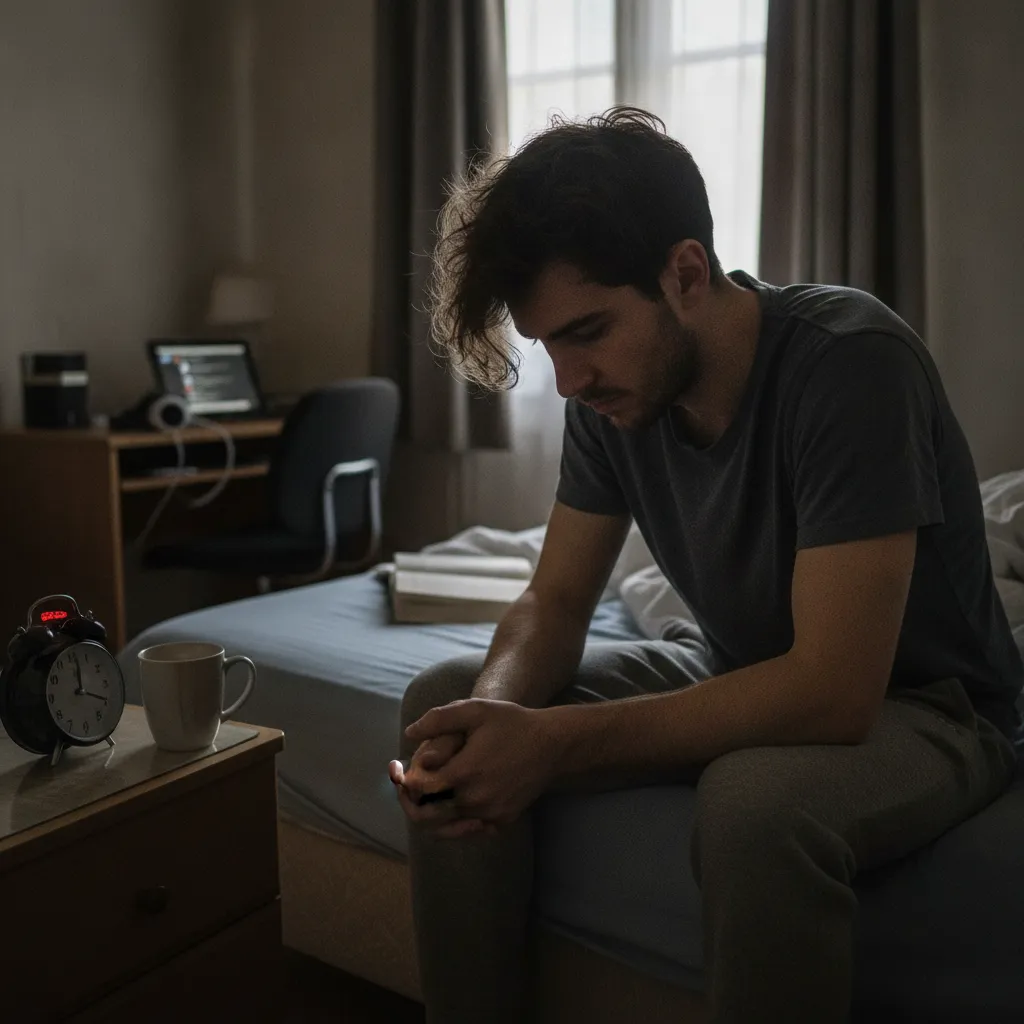
Scientists may have discovered a specific subtype of depression rooted in the body’s internal clock, suggesting that certain sleep patterns could serve as vital clues for diagnosis. In a massive study involving over 11,000 Australian adults with histories of depression, researchers found that roughly 23 percent of participants fit a profile they call circadian depression. This subgroup is characterized by traits such as being a natural night owl, waking up exhausted, and experiencing social jetlag, which occurs when there is a significant shift in sleep timing between workdays and weekends.
Those who fell into this circadian category reported more severe symptoms and an earlier onset of the illness compared to others. Interestingly, the data suggests these individuals often struggle more with traditional antidepressant medications like SSRIs and SNRIs, reporting fewer benefits and more adverse side effects. Some experts suggest this might be because these patients experience more manic-like symptoms, which standard antidepressants are not designed to treat and can sometimes even exacerbate.
While the study highlights a strong link between sleep-wake disruptions and mood disorders, researchers emphasize that this is not yet a formal medical diagnosis. It remains unclear whether the disrupted biological clock causes the depression or if the depression leads to altered sleep habits. However, Dr. Emiliana Tonini from the University of Sydney notes that moving toward a more personalized approach to mental health allows clinicians to get patients into the most effective treatments faster.
Looking forward, scientists believe that focusing on non-pharmacological interventions could be transformative for those with circadian profiles. Potential strategies under consideration include managed light exposure, stricter adherence to regular sleep schedules, and melatonin-based therapies aimed at resetting the body’s rhythm. While caution is advised regarding self-diagnosis—as staying up late does not automatically imply clinical depression—this research opens a door toward treating the root biological causes rather than just the emotional symptoms.